
 EN
EN
 EN
EN AR
AR BG
BG HR
HR CS
CS DA
DA NL
NL FI
FI FR
FR DE
DE IT
IT NO
NO PL
PL PT
PT RO
RO RU
RU ES
ES SV
SV IW
IW SR
SR SK
SK SL
SL TR
TR FA
FA
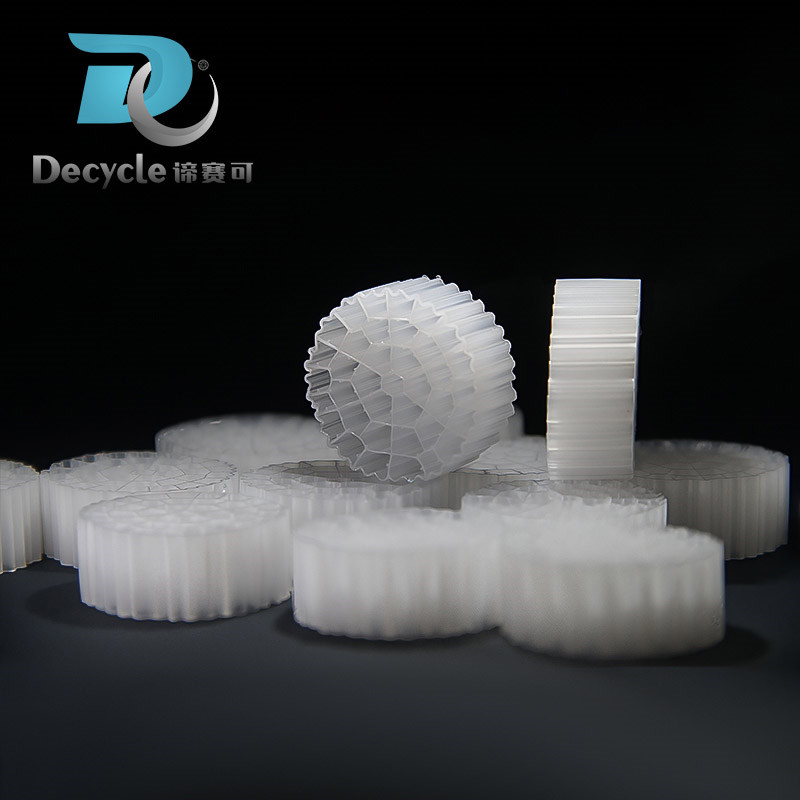
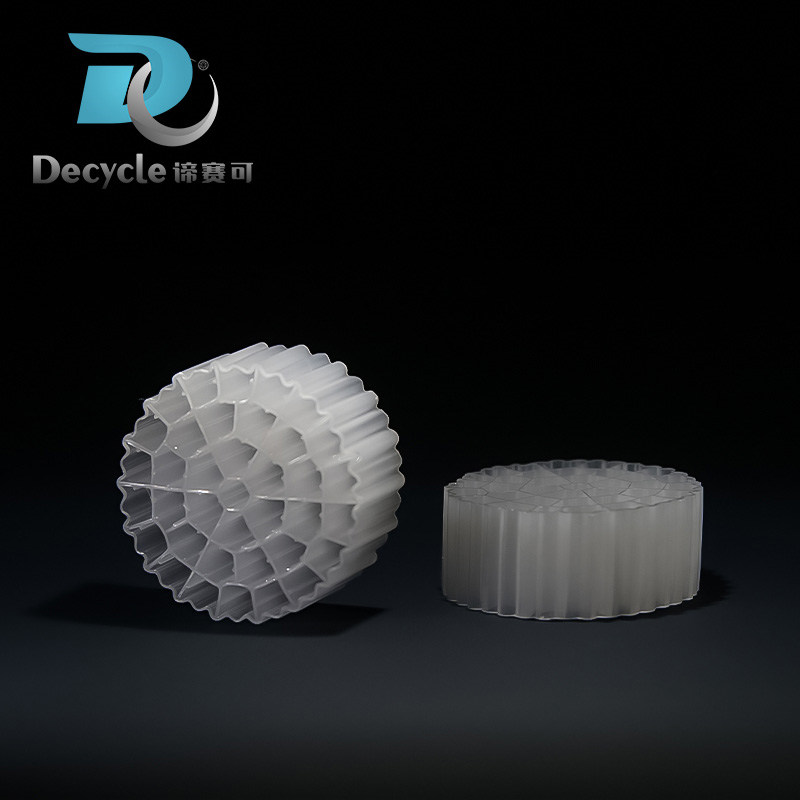
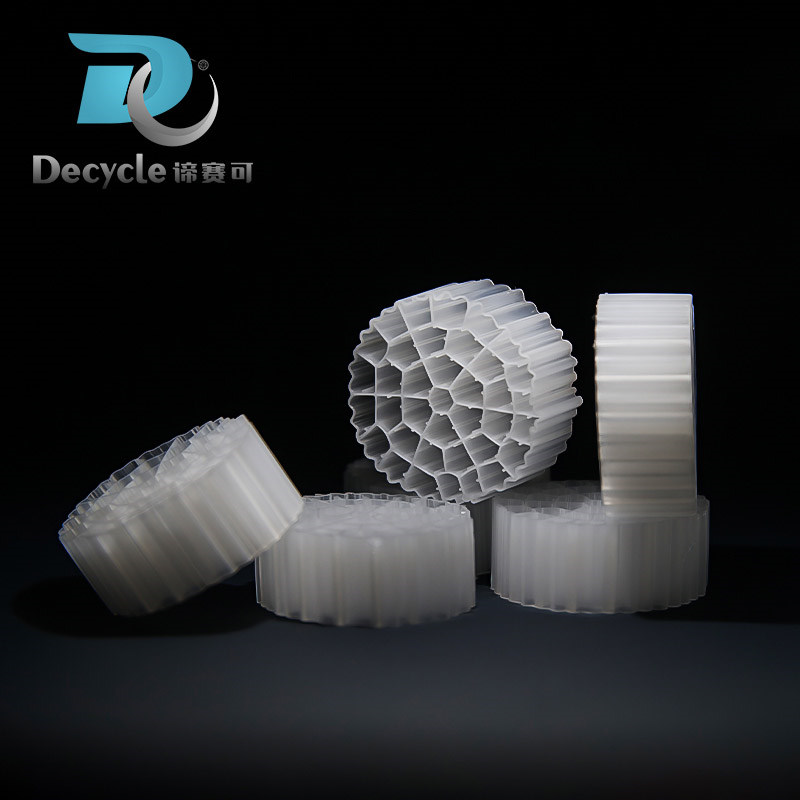
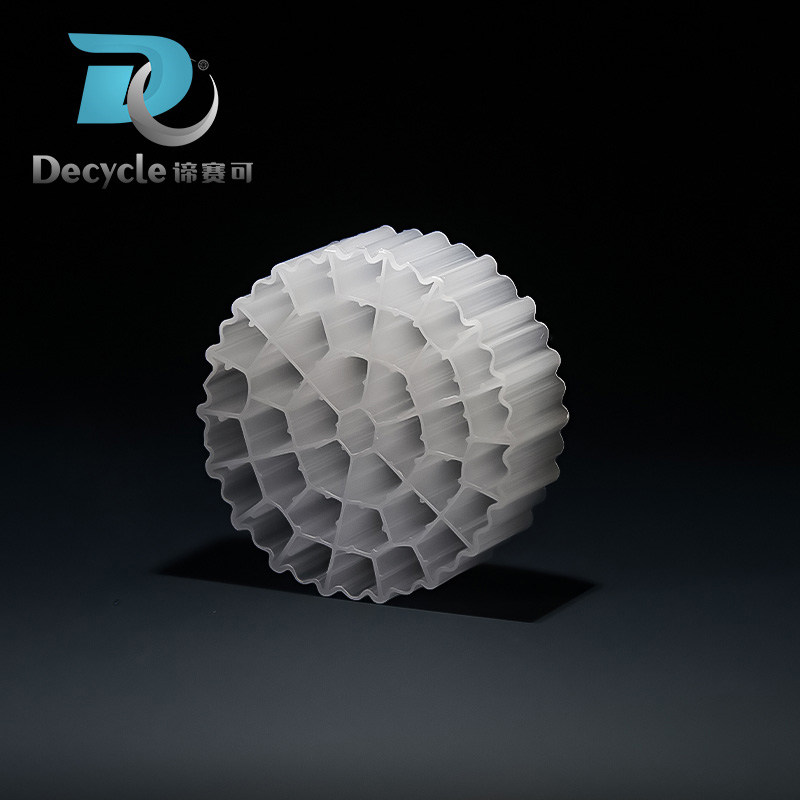
DC 37 для другаснай ачысткі сцёкавых вод цэлюлозна-папяровай прамысловасці
An imbalance in the nutrient ratio (C:N:P) of the influent, or the presence of toxic substances in industrial wastewater that inhibit biological growth. During the initial biofilm formation stage, the aeration rate was set too high, causing the nascent, delicate biofilm to be directly washed away by the excessive airflow. Some new media may have residual processing oil on their surfaces, or the material itself may lack sufficient hydrophilicity.
Description
Why does biofilm formation take so long in a new tank after adding MBBR media?
An imbalance in the nutrient ratio (C:N:P) of the influent, or the presence of toxic substances in industrial wastewater that inhibit biological growth. During the initial biofilm formation stage, the aeration rate was set too high, causing the nascent, delicate biofilm to be directly washed away by the excessive airflow. Some new media may have residual processing oil on their surfaces, or the material itself may lack sufficient hydrophilicity.
Solutions: During the initial biofilm formation phase (the first 3–7 days), use low aeration rates—just enough to keep the media moving—to reduce shear stress and promote microbial attachment. Introduce mature activated sludge from a similar wastewater source for inoculation, maintaining a concentration of 2,000–3,000 mg/L to accelerate biofilm formation. For industrial wastewater, the C:N:P ratio must be strictly controlled at approximately 100:5:1.
DC 37 для другаснай ачысткі сцёкавых вод цэлюлозна-папяровай прамысловасці
37-адтулінавы носьбіт біяплёнкі MBBR з вертыкальнымі палоскамі — гэта дакладна распрацаваны носьбіт біяплёнкі, прызначаны для высокаэфектыўнай ачысткі сцёкавых вод у кампактных біярэактарах. Яго ўдасканаленая геаметрыя аб'ядноўвае 37 аптымальна размешчаных скразных адтулін з радыяльна размешчанымі вертыкальнымі палоскамі, ствараючы турбулентныя схемы патоку, якія максімізуюць перанос кіслароду і дыфузію пажыўных рэчываў, адначасова абараняючы біямасу. Выраблены з нанамадыфікаванага кампазіта HDPE, гэты носьбіт дасягае плошчы абароненай паверхні ≥800 м²/м³ з выключнай прасторай пустот (>96%) для працы без засмечвання ў прымяненнях з высокім утрыманнем цвёрдых рэчываў. Спіральная канфігурацыя палос павялічвае таўшчыню біяплёнкі на 40% у параўнанні з традыцыйнымі носьбітамі, што робіць яго ідэальным для выдалення азоту і зніжэння ХСК у камунальных і прамысловых сістэмах MBBR/IFAS.
What should be done if MBBR media accumulates in the corners or on the water surface of the tank, resulting in poor fluidization (with many “dead zones”)?
Optimize the aeration pipe layout by using linear or annular aeration to create a strong, large-scale circulation pattern within the tank. Control the media packing rate; for municipal wastewater treatment retrofits, a packing rate of 30–50% is generally recommended, depending on the load. To address floating or settling media, perform periodic “intensive aeration” to flush away old biofilms and restore the media to an appropriate density.
запыт ЦытавацьWhy is DC 37 HDPE MBBR MEDIA More Highly Recommended for Municipal and Industrial Wastewater?
1. Высокая ўдзельная плошча паверхні
DC 37 has a specific surface area of >750 m²/m³, providing ample attachment space for microorganisms and increasing the effective biomass in biochemical reaction tanks, thereby improving pollutant removal efficiency.
2. 37-дзірачная структура для стабільнага росту біяплёнкі
The DC 37 features a 37-hole structural design, with both the internal channels and external surfaces providing attachment sites for microorganisms. This unique structure helps protect portions of the biofilm, reducing biomass loss caused by water flow and aeration scouring, and thereby stabilizing the biofilm.
3. Эфектыўная прадукцыйнасць масапераносу
The channel distribution design of the DC 37 promotes thorough contact between wastewater, dissolved oxygen, and microorganisms, enhancing oxygen transfer efficiency and pollutant diffusion capacity, thereby maintaining high microbial activity and improving biodegradation efficiency.
4. Effective COD, BOD and Ammonia-Nitrogen Removal
DC 37 provides an optimal growth environment for heterotrophic bacteria and nitrifying bacteria, promoting the degradation of organic pollutants and the removal of ammonia nitrogen. It is suitable for wastewater treatment projects with strict requirements for COD, BOD, and ammonia nitrogen control.
5. Выдатная прадукцыйнасць флюідызацыі
The density of DC 37 is close to that of water; when agitated by aeration or water flow, it maintains a stable state of suspension and fluidization, ensuring continuous and thorough contact between the packing material, wastewater, and dissolved oxygen, thereby reducing the problem of packing material deposition.
6. Выраблены з 100% белага натуральнага HDPE
The DC 37 is manufactured from 100% virgin white HDPE material and offers excellent chemical stability, corrosion resistance, and weather resistance, making it suitable for long-term use in wastewater treatment systems.
7. Доўгі тэрмін службы
The DC 37 has a service life of over 15 years, which reduces the frequency of media replacement and lowers the long-term operating and maintenance costs of wastewater treatment systems.
8. Гнуткі каэфіцыент напаўнення
The DC 37 allows for adjustment of the packing density based on wastewater quality, reaction tank volume, and treatment requirements, providing flexible design solutions for MBBR systems of various scales and load capacities.
9. Suitable for MBBR and IFAS Systems
The DC 37 can be applied to both new MBBR systems and retrofit projects at existing wastewater treatment plants. It increases the microbial concentration and treatment capacity within the system without the need for major civil engineering modifications.
Тэхнічныя характарыстыкі
| Параметр | спецыфікацыя | блок | Заўвагі |
| мадэль | 37-адтулінны пераносчык MBBR | - | Стандартная геаметрыя галіны |
| Matériau | Поліэтылен высокай шчыльнасці (HDPE) | - | УФ-стабілізаваны, харчовы |
| колер | белы | - | стандарт |
| Форма | Цыліндрычны з 37 унутранымі папярочнымі каналамі | - | Аптымізаваны паток і абарона біяплёнкі |
| Дыяметр (Ø) | 25 | mm | Намінальны памер |
| Вышыня (H) | 10 | mm | - |
| Удзельная плошча паверхні | >800 м²/м³ | ||
| Індывідуальная шчыльнасць носьбіта | 0.94-0.97 | г / см³ | |
| Тэрмін службы | > 15 | гадоў |
Тыповыя сферы прымянення DC 37
DC 37 is suitable for wastewater treatment systems that require stable biofilm growth and efficient pollutant removal.
Тыповыя дадаткі ўключаюць:
● Муніцыпальныя ачышчальныя збудаванні
● Сістэмы ачысткі бытавых сцёкавых вод
● Ачыстка прамысловых сцёкавых вод
● Ачыстка сцёкавых вод ад харчовых прадуктаў і напояў
● Хімічная ачыстка сцёкавых вод
● Ачыстка сцёкавых вод тэкстыльных і фарбавальных прадпрыемстваў
● Ачыстка фармацэўтычных сцёкавых вод
● Ачыстка сцёкавых вод цэлюлозна-папяровай прамысловасці
● Ачыстка сцёкавых вод бойні
● Ачыстка сцёкавых вод гасцініц і жылых памяшканняў
● Ачыстка сцёкавых вод прамысловага парку
● Дэцэнтралізаваныя сістэмы ачысткі сцёкавых вод
● Сістэмы біялагічнай ачысткі MBBR
● IFAS upgrading projects
● Existing wastewater treatment plant expansion
When temperatures drop in winter, the nitrification efficiency of MBBR systems plummets. How can this be remedied?
Leverage the advantages of MBBR by adding 10–20% more media before winter. This approach trades quantity for quality, increasing the total biomass to compensate for the reduced activity of individual MBBR units. For composite MBBR systems (such as the IFAS system), you can simultaneously increase the age of suspended sludge by reducing sludge removal rates. Ensure the tank is well insulated, or in northern regions, raise the inlet temperature of the industrial wastewater.
запыт ЦытавацьQuestions fréquemment posées
Q: Вы гандлёвая кампанія ці вытворца?
A: Мы фабрыка.
Q: Як доўга ваш тэрмін пастаўкі?
A: Як правіла, гэта 10-20 дзён, калі тавар ёсць у наяўнасці. або гэта 30-45 дзён, калі тавару няма на складзе, гэта ў залежнасці ад колькасці.
Пытанне: Вы даяце ўзоры? гэта бясплатна ці дадаткова?
A: Так, мы можам прапанаваць узор бясплатна, кошт дастаўкі аплачвае пакупнік.
Пытанне: Якія Вашы ўмовы аплаты?
A: Т/ТЛ/К.
How can you determine if the biofilm on MBBR media is “healthy”? How can aging biofilm be encouraged to renew itself?
Healthy biofilm: It appears pale yellow or light brown, has a glossy surface, feels slippery yet has a dense structure, and is of moderate thickness (typically around 0.1–0.3 mm).
Abnormal biofilm: Appears blackened, whitish, or exceeds 1 mm in thickness (which is highly prone to causing anaerobic odors and sloughing).
Biofilm renewal in MBBR systems primarily relies on collisions between the media particles and hydraulic shear forces. If the biofilm is found to be too thick or aged, increase aeration intensity for 1–2 days, or use an agitator to increase collision frequency, forcing the old biofilm to slough off and allowing new biofilm to regrow.


